
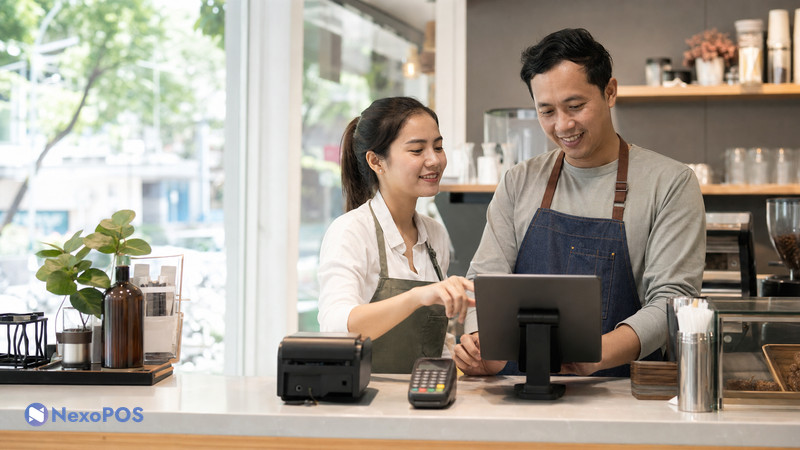
Singapore’s retailers, restaurants, cafés, and service businesses increasingly depend on digital tools to manage sales, inventory, customers, and reporting. For a technology provider, this creates an opportunity to offer point-of-sale software as a managed online service. Nexo SaaS, combined with NexoPOS, provides a practical foundation for building that kind of business.
What Is NexoPOS?
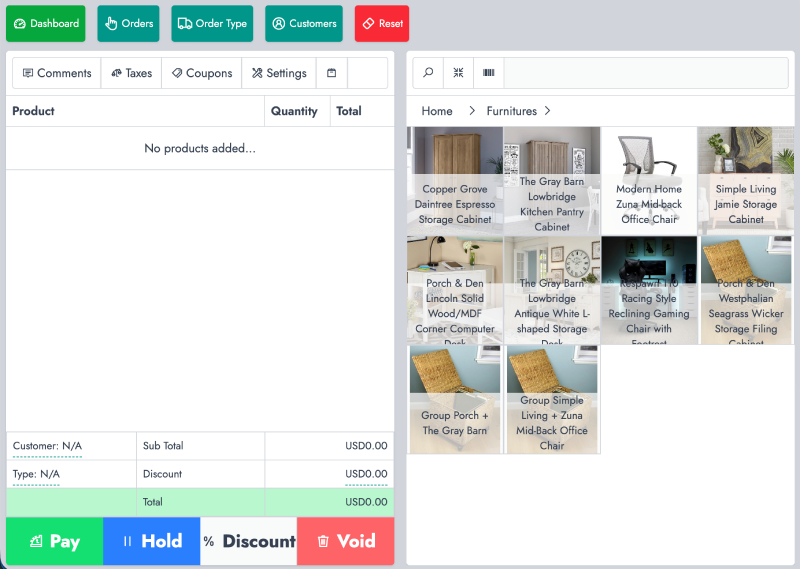
NexoPOS is a web-based point-of-sale application designed to help businesses manage everyday store operations. It includes tools for sales, products, inventory, customers, orders, payments, receipts, refunds, reporting, users, and configurable store settings. Its responsive interface can be used from computers, tablets, and supported mobile devices.
One of its most important advantages for a market such as Singapore is its modular architecture. A provider does not need to rebuild the entire POS to add a local payment workflow, accounting connector, receipt format, or industry-specific feature. The existing platform can remain the operational core while dedicated modules provide local capabilities.
What Is Nexo SaaS?
Nexo SaaS is a standalone application for creating and operating a hosted business around NexoPOS. A platform owner installs it on their own infrastructure and uses it to provision and manage NexoPOS installations for customers. This makes it possible to package POS access as a monthly or annual service rather than treating every deployment as a separate manual project.
- Centralized installation management: create and operate customer NexoPOS instances from one platform.
- Automatic updates: distribute compatible NexoPOS core and module updates without visiting every installation manually.
- Webhook-driven delivery: react to published releases and trigger configurable update waves.
- Daily platform digest: follow new users, installations, updates, reinstallations, and other important activity.
- Notification controls: help organization administrators decide which users receive operational messages.

A centralized hosting operation can help a local provider monitor and support multiple merchant installations.
Why This Model Makes Sense for Singapore
A Singapore-focused POS provider can offer more than software access. The service can combine hosting, onboarding, configuration, backups, updates, local integrations, and support in one commercial package. This can be especially useful for small and growing businesses that want dependable digital operations without managing their own servers.
- Faster time to market: start from an existing POS and SaaS management platform instead of building both products from the beginning.
- Local control: choose the hosting environment, support model, service plans, and Singapore-specific integrations.
- Recurring revenue: package hosting, maintenance, support, backups, and optional modules into subscription plans.
- Scalable operations: centralized monitoring and automatic updates reduce repetitive work as the customer base grows.
- Vertical packages: create tailored offers for retail stores, cafés, restaurants, minimarts, warehouses, and service businesses.
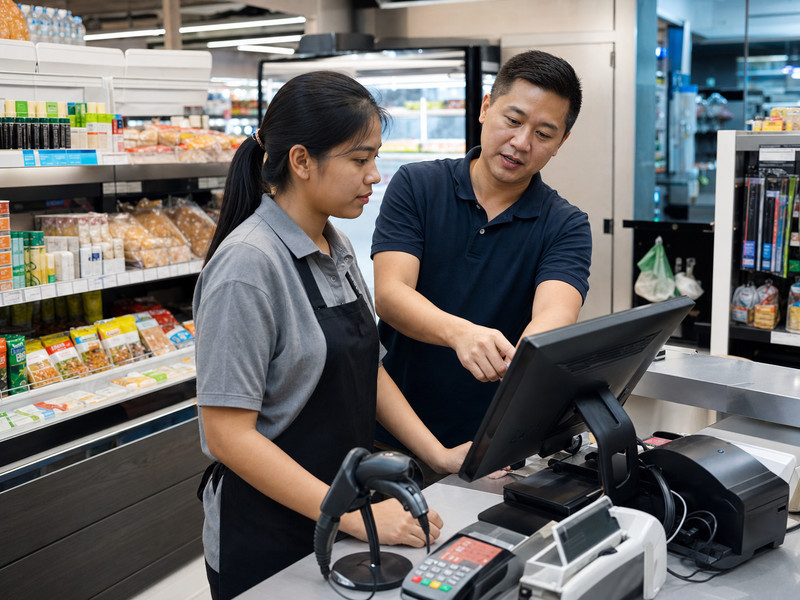
A Singapore-focused service can combine POS software, onboarding, compatible hardware, maintenance, and local support.
What a Singapore-Focused Offer Must Address
GST, Receipts, and Business Records
For GST-registered businesses, a local implementation should support Singapore dollars, the prevailing GST treatment, GST-inclusive public prices, and the information required on receipts and tax invoices. Singapore’s Inland Revenue Authority states that GST-registered businesses must keep proper business and accounting records for at least five years. A hosted POS service should therefore provide reliable transaction history, exports, backups, and an appropriate retention policy. Providers should validate their implementation against the latest IRAS invoicing requirements and record-keeping guidance.
NexoPOS already includes a flexible multi-tax system. An unlimited number of taxes can be configured and applied to a sale, giving providers the flexibility to model Singapore GST and more complex tax combinations when required. For a Singapore deployment, the platform owner can configure the applicable GST rate and calculation rules, then validate that product prices, order totals, receipts, refunds, and reports remain consistent with local requirements.
Local Payments and Hardware
A commercially complete package should be tested with the payment and hardware workflows its target merchants expect. Depending on the chosen market segment, this may include local card terminals, PayNow or SGQR-oriented workflows, receipt printers, barcode scanners, cash drawers, customer displays, and weighing scales. NexoPOS provides the POS foundation, while provider-specific modules and deployment testing complete the local offer.
PDPA and Hosting Responsibilities
A hosted POS may process customer, employee, and transaction-related personal data. The platform owner must establish appropriate policies and safeguards for access, protection, retention, incident response, and data transfers. Singapore’s Personal Data Protection Commission describes obligations covering accountability, notification, consent, protection, retention, access, correction, and breach notification. These responsibilities should be reflected in the platform architecture and customer agreements. See the PDPC’s data-protection obligations.
Planning for InvoiceNow
InvoiceNow is Singapore’s nationwide e-invoicing network based on the Peppol framework. It should be treated as an integration roadmap item, not as a capability already included with NexoPOS. A future NexoPOS module could generate compliant invoice data, connect to an IMDA-accredited Access Point provider, track submissions, and support the required reporting flow. The central IRAS submission API is used by accredited Access Points, so a POS solution normally connects through an Access Point’s API or SFTP interface. More information is available in the IMDA InvoiceNow Technical Playbook.
Is NexoPOS a Good Candidate?
Yes—NexoPOS is a strong technical candidate for a Singapore-focused POS hosting business. It already supplies the central store-management workflow, while its modular design creates room for local payments, accounting, receipt, and InvoiceNow-related integrations. Nexo SaaS adds the provisioning, monitoring, update, and notification capabilities needed to operate multiple customer installations more efficiently.
The credible position is not that NexoPOS is automatically Singapore-compliant out of the box. The stronger message is that it provides a flexible and commercially practical foundation that a capable provider can localize, test, secure, and support for Singapore businesses.
A Practical Launch Checklist
- Select the first merchant segment, such as cafés, restaurants, or independent retailers.
- Configure SGD, GST, receipts, invoices, and business information for Singapore.
- Test local payment terminals and required POS hardware.
- Define hosting, backups, support, security, and PDPA processes.
- Create Nexo SaaS plans for software access, maintenance, backups, and support.
- Pilot the service with a small number of merchants before expanding.
- Select an accredited Access Point and validate the roadmap for an InvoiceNow module.
Build the Service Without Building Everything from Scratch
Launching a POS hosting business requires more than deploying an application. It requires a dependable product, repeatable operations, local configuration, security, and customer support. NexoPOS and Nexo SaaS reduce the amount of infrastructure and product work needed to reach that point, allowing the provider to focus on localization, merchant acquisition, and service quality.
Explore Nexo SaaS and discover how it can help you build and manage a hosted NexoPOS business.